Intelligence Uncrewed systems

Intelligence-led,
capability delivered.


Technology arrives faster than the capability to use it. We hold the design of that capability: the tasking cycle, the doctrine and the crews are ours, and the platform is selected into them against the requirement. Ours to build, yours to keep.

We advise, integrate and operate.

Uncrewed systems and Counter-UAS, inside the all-source intelligence that makes them worth having.

The design is ours. The platform is fitted to it.

Selection is an engineering output, not a sales one. Our recommendation carries no manufacturer’s margin.

Collection is not the deliverable. Effect is.

One recognised picture that cues an accurate, evidenced decision.

Request a briefing How we work

Scroll

01 Approach

From requirement to handover.


Every engagement runs the same four steps. Each carries its own scope, price and exit criteria, so you can stop at the end of any of them without stranding what came before.

  1. Establish the requirement

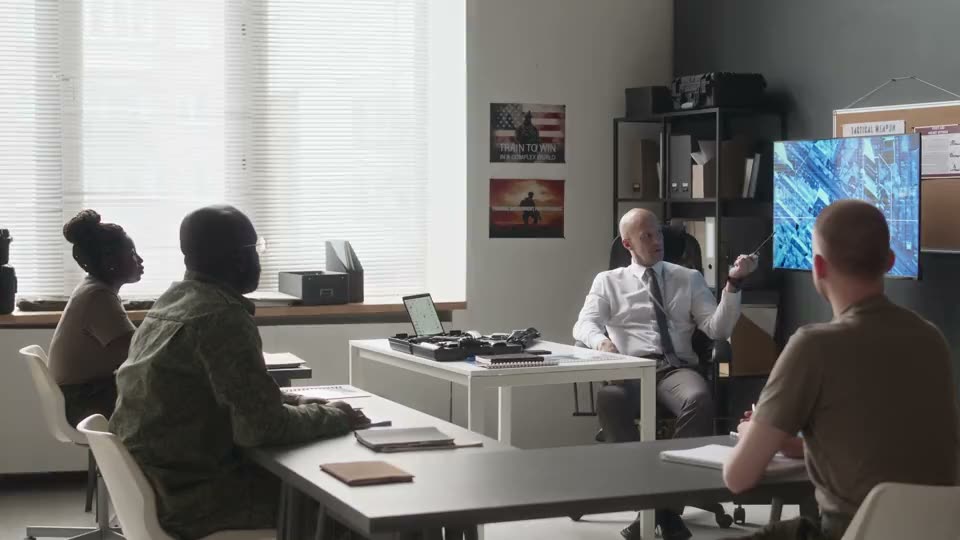
    We work in country with the people who will own the capability, across the ministries, forces and agencies involved, and find out what is actually needed rather than what is on the wish list.

    Weeks No obligation

  2. Build the cell

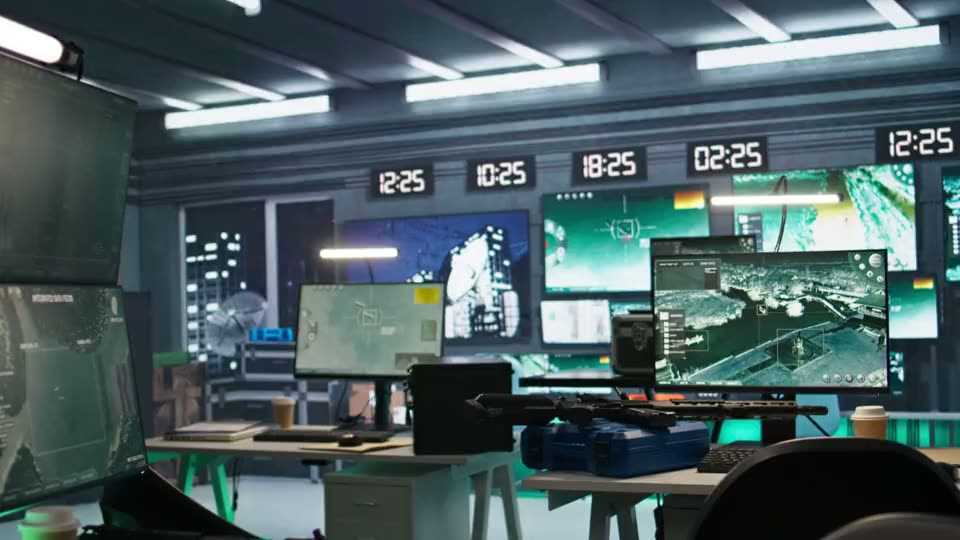
    A fusion cell is stood up around that requirement: tasking, collection management, analysis, doctrine and the crews to run it. Your people fill every role from the first day, not at handover.

    Months Fixed price

  3. Fit the right kit

    Platforms and sensors are chosen to serve the cell. Often the answer is the system already in service. Where you want us to bring it, we source and integrate under UK export licensing.

    Scaled to budget

  4. Hand it over

    Run jointly against live tasking, then handed to your command. Your people command it, your data and models stay yours, and it keeps running after we have gone.

    Your ownership

The intelligence cycle, and what it is for
  1. Direction

    Priorities and intelligence requirements set by command, owned and reviewed.

  2. Collection

    Tasked against those requirements, across every source, through one managed plan.

  3. Processing

    Collation, evaluation, all-source analysis and target development to a common standard.

  4. Dissemination

    To the right decision-maker, at the right classification, in time to be acted on.

Then

Effect

Interdiction, arrest, disruption, recovery. The thing the other four are for.

Results and exploitation feed direction

The four stages are UK and NATO joint doctrine. Carrying them through to effect is our own emphasis.

That cycle is what we build, and then transfer. The programme above ends. The cycle keeps running, which is the whole reason for handing it over.

01 Establish the requirement

Inside discovery

Discovery is the phase everything else is priced against. Get it right and the design survives contact with your real constraints. Get it wrong and every phase after it is correcting the first one.

What happens

  • In-country work across the organisations that will own the capability: ministries, armed forces, police, customs, port and airport authorities.
  • An honest assessment of the picture you already hold, including the sensors and systems in service and what is actually being done with their output.
  • The legal and authorisation framework you operate inside, and what it permits.
  • Identification of the early wins, meaning the things that can be demonstrated inside one phase rather than at the end of a programme.

What you get

A costed capability design with a bounded first phase, written so that a minister can read it and an engineer cannot fault it. It states what the requirement is, what would meet it, what it costs, and what the exit criteria for each phase are.

Terms

Weeks rather than months, and carried at no obligation. You own the document whether or not you take the next phase with us.

02 Build the cell

What is in a cell

Detections rarely fail for want of a sensor. They fail for want of a system to act on them. A cell is people, tasking and doctrine before it is equipment. Uncrewed ISR is the core, the other two lines build on it as the mission requires, and all three feed one tasking cycle.

Uncrewed ISR

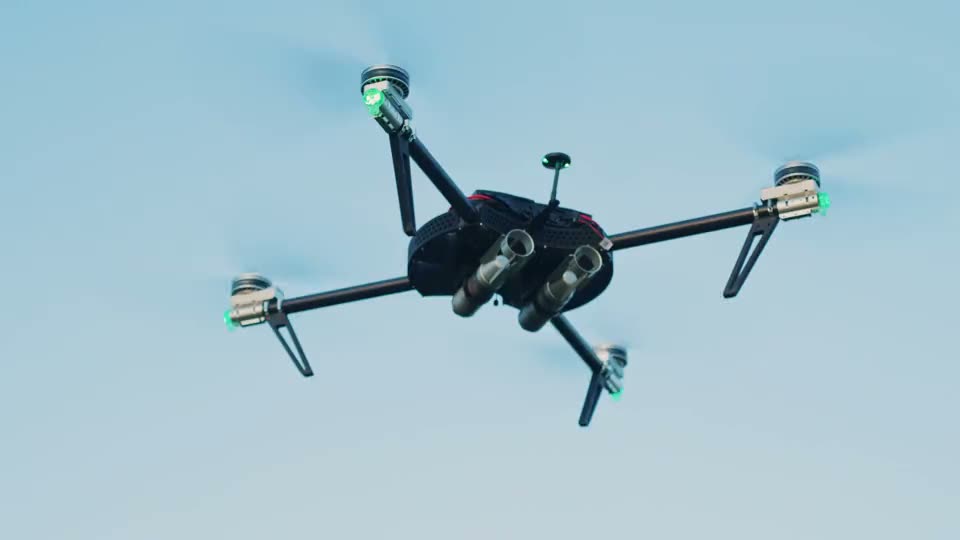
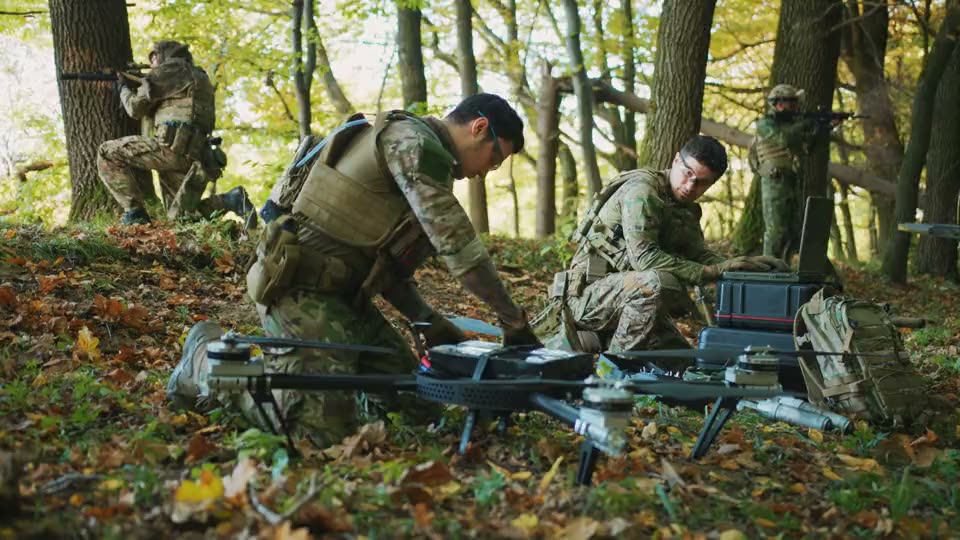
Persistent, platform-agnostic collection over maritime approaches, littoral, land border, port estate and critical infrastructure. Fixed-wing for coverage, multi-rotor for detail. Tasked against a collection plan rather than flown speculatively.

Fixed-wing Multi-rotor Collection management

Counter-UAS

Detection, tracking and identification of hostile uncrewed systems over sites, bases, ports and infrastructure, interoperable with the air picture you already hold. Mitigation is scoped, licensed and delivered as a separate module, so it never delays the core.

Detect Track Identify Mitigate (licensed separately)

All-source intelligence

Uncrewed collection layered over radar, AIS, EO/IR and fixed sensors, then fused with human reporting, lawfully authorised surveillance, open source, financial intelligence and partner liaison into one recognised picture. Every discipline you hold or acquire feeds one cycle, and the product is built to a standard that survives disclosure.

Fusion Link analysis Evidential standard

On automation

Automated detection and classification on the sensor feeds, triage of incoming reporting, entity resolution and link analysis are applied across all three of the above rather than sold as a fourth capability. Every output is reviewable, auditable and attributable to a named human decision under your command.

03 Fit the right kit

How platforms are chosen

We do not lead with a platform, and no supplier relationship survives a requirement that points elsewhere. Platform choice, quantity and cost are outputs of the discovery work rather than inputs to it. There are three honest answers, and we will tell you which one applies.

What you already own

Assessed against the requirement, then integrated, sustained and brought back to currency. Most programmes start here, and some go no further. If the system in service will meet the requirement, that is the recommendation you get.

What you should buy

Requirement-driven selection with the trade-offs written down: endurance against payload, unit cost against sustainment cost, sovereignty against lead time. Independent of who supplies it, and the reasoning is handed over with the recommendation.

What we can supply

British system, European platforms. The method, the doctrine, the fusion and the training are ours; the aircraft and the sensors are European and Baltic, chosen against your requirement. Sourced, integrated and sustained within UK Strategic Export Control licensing, and licensed in the country of origin.

We work across

Three families. The third is the one that decides whether the first two were worth buying, and it is the one most often scoped last.

Uncrewed platforms

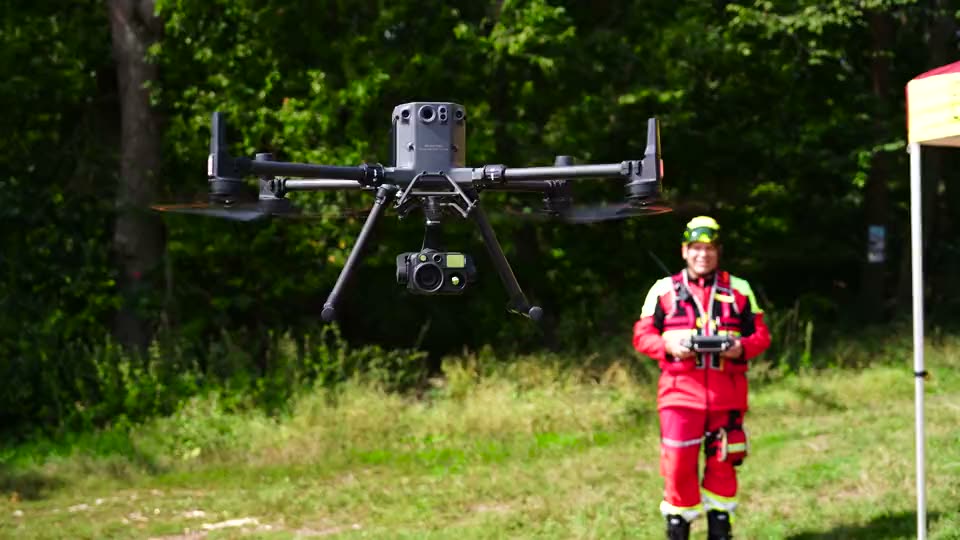
Fixed-wing for coverage, multi-rotor for detail, and the ground control, data links, spares and airworthiness that keep either of them flying. Selection runs against endurance, payload, lead time and what your crews can actually sustain.

  • Fixed-wing ISR
  • Multi-rotor
  • VTOL
  • Ground control
  • Airworthiness & spares
Sensors and Counter-UAS

EO/IR, radar and AIS on the collection side. On the other, detection, tracking and identification of hostile uncrewed systems over sites, bases and ports, interoperable with the air picture you already hold. Mitigation is scoped, licensed and delivered as a separate module, so it never delays the core.

  • EO/IR payloads
  • Radar & AIS
  • RF detection
  • C-UAS detect, track, identify
  • Mitigation (licensed separately)
Communications and the data layer

The links, relays and ground segment that carry the feed, and the fusion environment it lands in. This is usually where a programme comes apart. What has to work is the chain that carries a detection through to a boarding, a seizure and a prosecution, which is why the link and the fusion environment are scoped alongside the airframe rather than after it.

  • Line-of-sight & BLOS
  • Mesh relay
  • Ground segment
  • Fusion & analysis
  • Evidential capture

04 Hand it over

What transfer includes

Transfer is designed in from the first week rather than arranged at the end. Mentoring is weighted throughout the programme toward your lead taking over, and the measure of success is that the capability keeps running once we have gone.

We stand it up you operate, we embed you operate, we mentor you operate

Command

Your officers command and decide from day one, not at handover. We run jointly against live tasking during the operate phase and are measured on effect rather than activity, then step back by agreed stages.

Ownership

Data, models, tooling, IP and skills remain yours. There is no licence to renew that switches the capability off, and no continuing dependency on us to keep it running.

Sustainment

Airworthiness, spares, refresh and the currency cycles that keep crews qualified as the threat adapts. Handed over as a written cycle your own people execute, with the instructor pipeline that replaces the people who leave.

What we keep doing

Whatever you ask us to, and nothing you do not. Continuing support is a separate agreement rather than a condition of the transfer.

02 Who it is for

Built with the people who keep it.


Delivered across the Middle East, Europe, Africa and Latin America. The method does not change with the customer. We build the capability alongside the people who will own it, and we plan the handover from the first week.

  • Defence & policing

    Armed forces and police

    One tasking cycle across both, because the networks either of you are working do not respect the line between you. Maritime and littoral awareness, uncrewed aviation stood up inside the force, Counter-UAS over bases and ports; and beside it, under police command, the fusion and joint cells that turn a detection into an arrest that survives disclosure.

    Under your command One picture

  • Borders & trade

    Ports, approaches and customs

    The approaches are where the flows concentrate and where the picture is usually thinnest. Persistent collection over anchorages, coast and the port estate, layered onto the radar, AIS and coastal sensors you already run, and cued to the boarding party early enough to be acted on rather than filed.

    Maritime Littoral Port estate

  • Energy & infrastructure

    Operators of critical sites

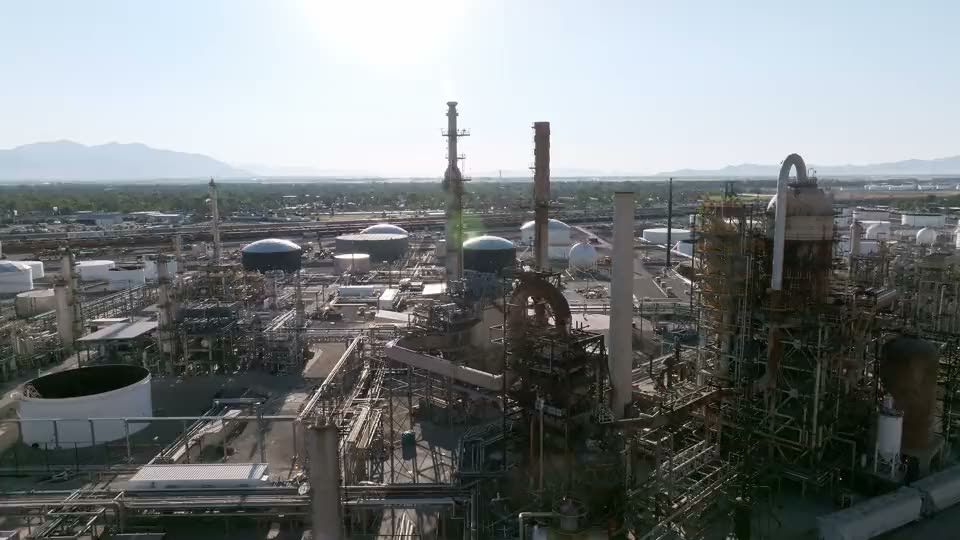
    Pipelines, refineries, grid and offshore assets surveyed from the air against a collection plan rather than by ad-hoc flights, so that encroachment, interference and change are found while they are still cheap. Counter-UAS where the airspace over the site is the exposure.

    Survey Monitor Protect

  • Humanitarian

    Response and recovery agencies

    In the first days, access and damage are the whole problem. Aerial survey of routes, sites and populations, turned into one picture that agencies arriving separately can all work from, with data protection and duty of care designed in rather than retro-fitted once the cameras are already flying.

    Rapid survey Shared picture

03 Request a briefing

Start with the requirement.


A briefing is an hour. We would rather hear the requirement than present a deck, and we will say plainly if what you need is not something we should build. Under mutual NDA on request.

  • No obligation, and no procurement commitment implied.
  • Held under mutual NDA where you need it.
  • We reply from a monitored mailbox, usually within two working days.

Start the conversation

Write to contact@globalcapabilitygroup.com with who you are, the organisation you are writing for, and the requirement as you see it. A sentence is enough to start.

Keep it unclassified. Email is not a secure channel, and anything substantive is better held under mutual non-disclosure, which we will arrange before the briefing rather than during it.
Email us

The requirement, the kit you already hold, the gap as you see it. Keep it unclassified. This is a public web form.

We use these details only to arrange the briefing, and the form records your IP address and browser with the submission.

Legal

Global Capability Group Ltd Version 1.0 In force from 3 September 2026

Three documents in one panel: the terms this site is offered on, what happens to anything you send through it, and the regulatory ground the company works on. Read the second one before you use the form.